


In the thrilling world of Forza, car upgrades are the key to unlocking your vehicle’s full potential. Whether it’s enhancing speed, improving handling, or boosting acceleration, the right upgrades can make all the difference on the track. Gamers dive into a vast array of customization options, transforming their cars into high-performance machines that reflect their unique driving style.
Understanding the intricacies of car upgrades can elevate a player’s experience from casual racing to competitive dominance. With a mix of strategic choices and technical know-how, players can tailor their rides to conquer any challenge. This guide will explore essential tips and tricks for maximizing car performance, ensuring every race is a thrilling victory.
Overview of Forza Car Upgrade
Forza car upgrades play a crucial role in enhancing vehicle performance and customization within the game. Upgrades directly impact speed, handling, and acceleration, allowing players to tailor cars to their preferences.
Types of Upgrades
- Engine Upgrades
- Increases horsepower and torque, improving overall speed.
- Enhances acceleration capabilities, enabling quicker starts.
- Suspension Upgrades
- Improves handling and cornering stability during races.
- Offers options for lowering the car’s center of gravity for better performance.
- Brakes Upgrades
- Enhances stopping power, reducing stopping distance.
- Improves response during intense racing situations.
- Tire Upgrades
- Affects grip, influencing handling and traction on different surfaces.
- Provides various options for weather conditions, including slicks for dry tracks and intermediates for wet tracks.
- Weight Reduction
- Decreases the car’s overall weight, improving acceleration.
- Increases maneuverability, making the car easier to handle.
- Aerodynamic Upgrades
- Enhances downforce, improving grip at high speeds.
- Reduces drag, allowing for faster straight-line speed.
Upgrade Classes
Forza categorizes upgrades into different classes, from stock to race levels. Higher classes provide more significant performance boosts but may require increased costs or specific in-game currency for acquisition.
Customization Features
Customization options extend beyond performance. Players can modify visual aspects like paint jobs, decals, and rims, creating unique vehicles that reflect personal style.
Importance of Tuning
Tuning adjustments further optimize cars for specific race types. Adjustments to tire pressure, gear ratios, and suspension settings tailor the car’s responsiveness to individual racing styles.
Understanding these aspects of Forza car upgrades equips players with the knowledge to maximize vehicle performance, paving the way for competitive success on the racetrack.
Importance of Upgrading Your Car
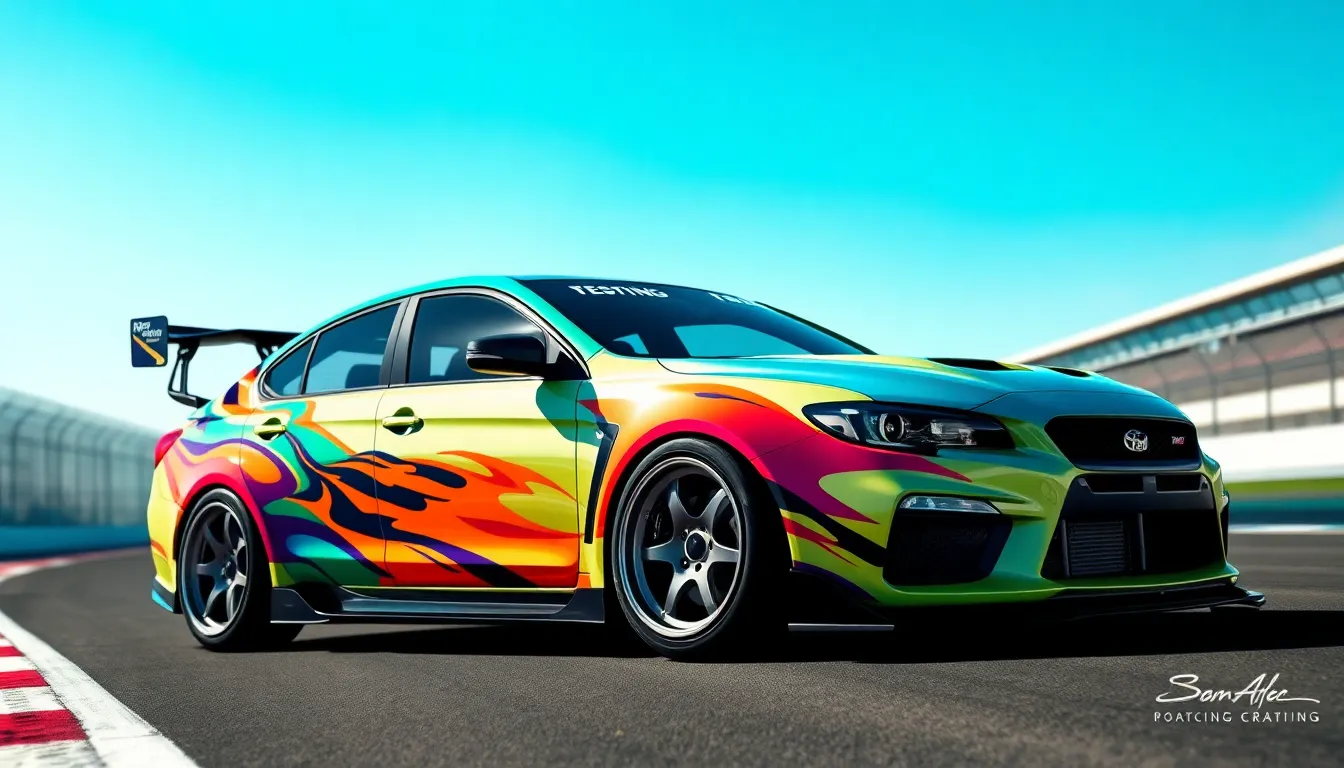
Upgrading cars in the Forza series significantly impacts their overall performance and appeal. Players who invest in upgrades enhance their racing experience and achieve competitive advantages.
Enhancing Performance
Enhancing performance involves several critical upgrades that can elevate a car’s capabilities.
- Engine Upgrades: Players can increase horsepower, resulting in better acceleration and top speed.
- Suspension Upgrades: Improved suspension systems enhance handling and cornering stability, allowing for sharper turns.
- Brake Upgrades: Upgraded brakes reduce stopping distances, enabling quicker responses in high-speed scenarios.
- Tire Upgrades: Players can choose better tires for grip, which improves traction on various surfaces.
- Weight Reduction: Removing unnecessary weight increases agility and speed, making the car more responsive.
- Aerodynamic Enhancements: Modifications like spoilers reduce drag, improving stability at high speeds.
Each performance enhancement contributes to a car’s competitiveness, making it essential for success in challenging races.
Aesthetic Improvements
Aesthetic improvements play a crucial role in personalization and expression for players.
- Paint Jobs: Custom paint options allow players to create unique designs, reflecting their style.
- Body Kits: Players can add body kits to enhance the visual appeal and express individuality.
- Rims and Tires: Custom rims offer stylish choices that enhance the overall look of the vehicle.
- Vinyls and Decals: Adding vinyls and decals can personalize cars further, showcasing creative designs.
- Interior Customization: Players can modify interiors for a personalized feel while racing.
Focusing on both performance and aesthetics ensures that vehicles not only excel in racing but also represent each player’s distinctive identity.
Types of Upgrades Available
Upgrades in Forza enhance a vehicle’s performance and aesthetics. Players can choose from several types of modifications to tailor their cars to their racing preferences.
Engine Modifications
Engine modifications deliver significant power increases. Players can opt for options like turbochargers, superchargers, and upgraded internals, which boost horsepower effectively. For example, a turbocharger can raise horsepower by an average of 30-50%, improving acceleration and top speed. Players may also consider engine swaps, providing flexibility to utilize more powerful engines that fit their racing style.
Suspension and Handling Upgrades
Suspension and handling upgrades focus on improving stability and control during races. Players can install adjustable coilovers, sway bars, and performance shocks. These enhancements enhance cornering performance and overall responsiveness. A suspension upgrade can reduce body roll by up to 40%, allowing for tighter turns and better stability at high speeds.
Visual Customizations
Visual customizations allow players to personalize their vehicles’ appearance. Options include custom paint jobs, body kits, rims, vinyls, and decals. These modifications do not impact performance but significantly enhance aesthetic appeal. For instance, a body kit can give a car a more aggressive stance, while unique vinyls can make a vehicle stand out on the track. Visual customizations enable players to express their identities while racing.
Steps to Upgrade Your Car in Forza
Upgrading a car in Forza enhances its performance and personalizes it to match a player’s style. Following specific steps ensures optimal upgrades for competitive racing.
Selecting the Right Upgrades
- Evaluate Performance Goals: Determine desired improvements, such as speed, handling, or acceleration.
- Analyze Car Class: Check the car class limitations to ensure upgrades align with competitive regulations.
- Research Upgrade Types: Understand various upgrades like engine, suspension, brakes, tires, weight reduction, and aerodynamics.
- Balance Upgrades: Combine engine modifications for speed with suspension enhancements for handling to create a well-rounded vehicle.
- Test Drive: Conduct test runs after each upgrade to assess changes in performance and adjust selections accordingly.
Installation Process
- Navigate Upgrade Menu: Access the car upgrade menu within Forza to view available modifications.
- Choose Desired Upgrades: Select upgrades based on the earlier evaluation of performance goals and balance.
- Confirm Changes: Review selected options and confirm the modifications before installation.
- Test the Upgraded Car: Perform several test drives to evaluate handling and speed after each upgrade installation.
- Fine-Tune Settings: Adjust settings for performance parts, such as brake balance and tire pressure, to optimize the car’s responsiveness on the track.
Tips for Maximizing Your Forza Car Upgrade
Maximizing car upgrades in Forza involves strategic choices that enhance performance and personal expression. Players can achieve optimal results by considering a balanced approach to upgrades.
Balancing Performance and Aesthetics
Balancing performance and aesthetics enhances both functionality and visual appeal in Forza cars. Players should prioritize high-performance upgrades like engine modifications, suspension adjustments, and tire enhancements while incorporating personalized visual elements. For instance, customizing a car’s paint job or body kit can reflect individual style without sacrificing competitive edge. Keeping performance upgrades with substantial impacts at the forefront, such as installing lightweight body kits or high-performance brakes, allows for a harmonious blend of speed and style, enabling players to stand out on the track while excelling in races.
Testing and Fine-Tuning Your Upgrades
Testing and fine-tuning upgrades significantly impact a car’s performance in Forza. Players should conduct multiple test drives after each upgrade to evaluate changes in handling, speed, and responsiveness. Adjusting settings for performance parts like suspension stiffness and tire pressure can yield precise performance enhancements tailored to specific tracks or racing styles. Utilizing Forza’s telemetry tools provides valuable data on acceleration, braking, and cornering, enabling players to make informed adjustments. Monitoring car behaviors during races allows players to adapt settings in real-time, ensuring a finely tuned vehicle that performs optimally in competitive scenarios.
Upgrading cars in Forza isn’t just about speed; it’s a journey of personalization and performance enhancement. By understanding the impact of various upgrades, players can transform their vehicles into formidable competitors on the track.
Strategic choices in engine, suspension, and aerodynamics can yield impressive results. The balance between high-performance upgrades and unique visual elements ensures that each car reflects the player’s style while maintaining a competitive edge.
With the right approach to testing and fine-tuning, players can unlock their car’s full potential. Embracing these upgrades not only enhances racing capabilities but also fosters a deeper connection to the game, making each race a thrilling experience.


